The question is no longer whether artificial intelligence has entered the creative industry. The real question is: how far can it go?
Our agency’s art director, László Zentai – known to everyone as Laca – has been working at Hammer for 25 years, and it is safe to say that he knows the profession inside out. He embarked on a simple yet provocative experiment: what happens if, during the creation of a short film, almost every creative task is entrusted to AI? He did not use it as a reference. Not as inspiration. Not merely to speed up the process – but as a creative partner.
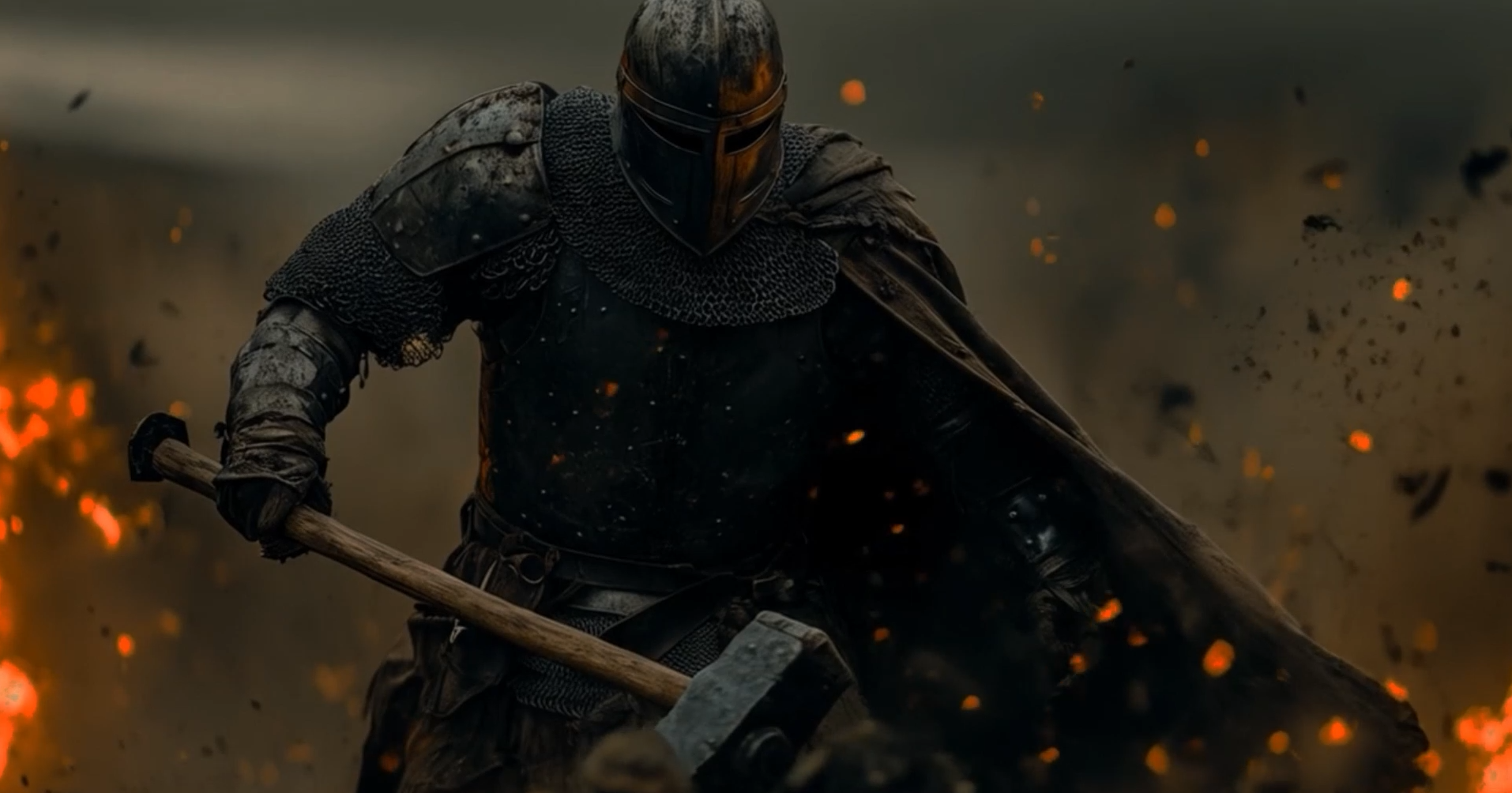
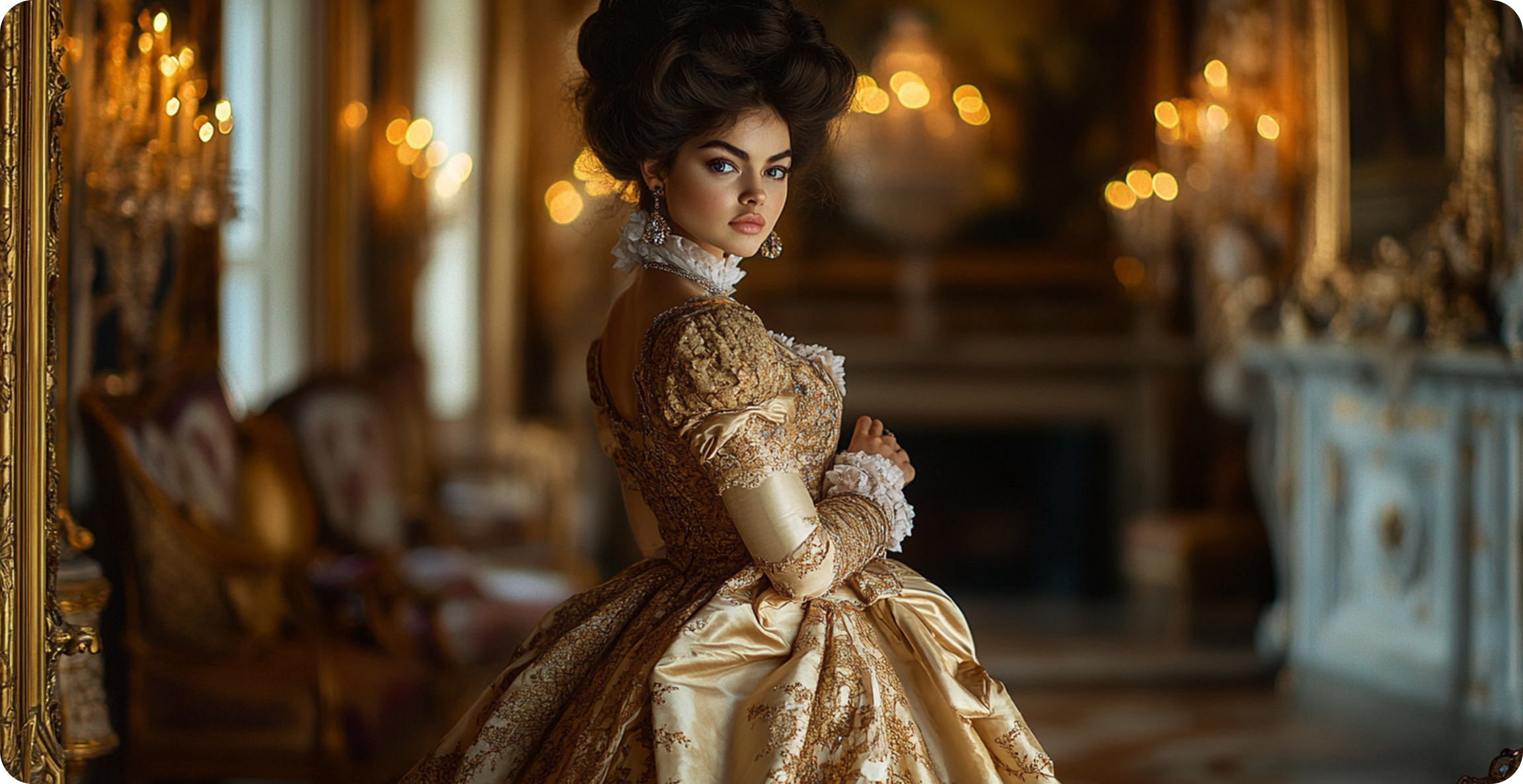
The result of the experiment was two AI-generated short films created entirely from scratch using MidJourney, Hailuo.ai and SUNO. Throughout the project, we examined the current state of AI video production and what it means for the future of the creative profession. We asked Laca about his experiences.

You built both short films “from nothing” using AI video production. How detailed did your prompting need to be in the first round?
Since this was an experimental project, it was important to truly avoid using human intelligence as much as possible. The 50-60 word prompts were written in “lazy mode” with the help of ChatGPT, which was the simplest solution. This clearly demonstrates how the creative process is transforming. The creative professional no longer directly produces the image or video, but instead designs a system that produces it on their behalf. Prompting has now become an integral part of the creative workflow. For marketing leaders, this signals a structural shift: creative execution is moving from manual production toward system orchestration.
What surprised you the most during the production process?
The sophistication of the technology. The quality of the images and videos, the camera movements, the expansion of spaces – all of this opened the door to a new world for me. This is no longer a technological demo; it is a fully functional creative tool.
What was the biggest challenge?
The biggest challenge is that even the most detailed prompt does not necessarily produce the desired result. Compromises must be made, because what appears in the creator’s mind rarely matches the generated images and videos. As a result, the creative process is reversed: instead of shaping the materials according to the concept, we adapt the concept to the generated materials.
It forces flexibility. It requires sharper judgment. And it raises an important executive question: Who controls the final decision logic? The machine or the strategist?
Is AI hype or a genuine productivity tool?
I use it every day, and I can hardly imagine working without AI tools anymore. In graphic design, there is a wide range of image-editing applications to choose from. Just one example: what used to be lengthy manual work can now be completed in as little as 10 seconds – and this is only the tip of the iceberg. AI is accelerating the creative workflow at numerous stages. Image expansion (outpainting), background generation, visual variations, storyboard creation, or even concept visualization all gain a new dimension with AI.
What do you think about the future? Will AI eventually be able to work independently in the field of graphic design?
That time may come. AI can already compose complete songs (in surprisingly high quality), but graphic materials still require the human eye and hand. AI does not possess intuition, cultural context, or strategic thinking. AI generates; humans choose. AI suggests; humans decide. At least for now. 😉

What This Means for Marketing Leaders?
The key takeaway is not whether AI will replace art directors. The more relevant question is how creative leadership evolves in an AI-driven environment.
- Production speed increases.
- Iteration becomes cheaper.
- Experimentation scales faster.
- Execution barriers decrease.
But decision-making complexity does not disappear. In fact, it grows. The competitive advantage is no longer creative talent alone. It is the ability to design, control and strategically integrate AI-powered creative systems.
In summary
- AI does not take away the work of creative professionals – it transforms it.
- AI does not replace creative thinking – it reframes it.
For agencies and brands alike, the question is no longer whether to use AI. The real question is how consciously, strategically and responsibly it is integrated into the creative process. And that is still a human decision.